
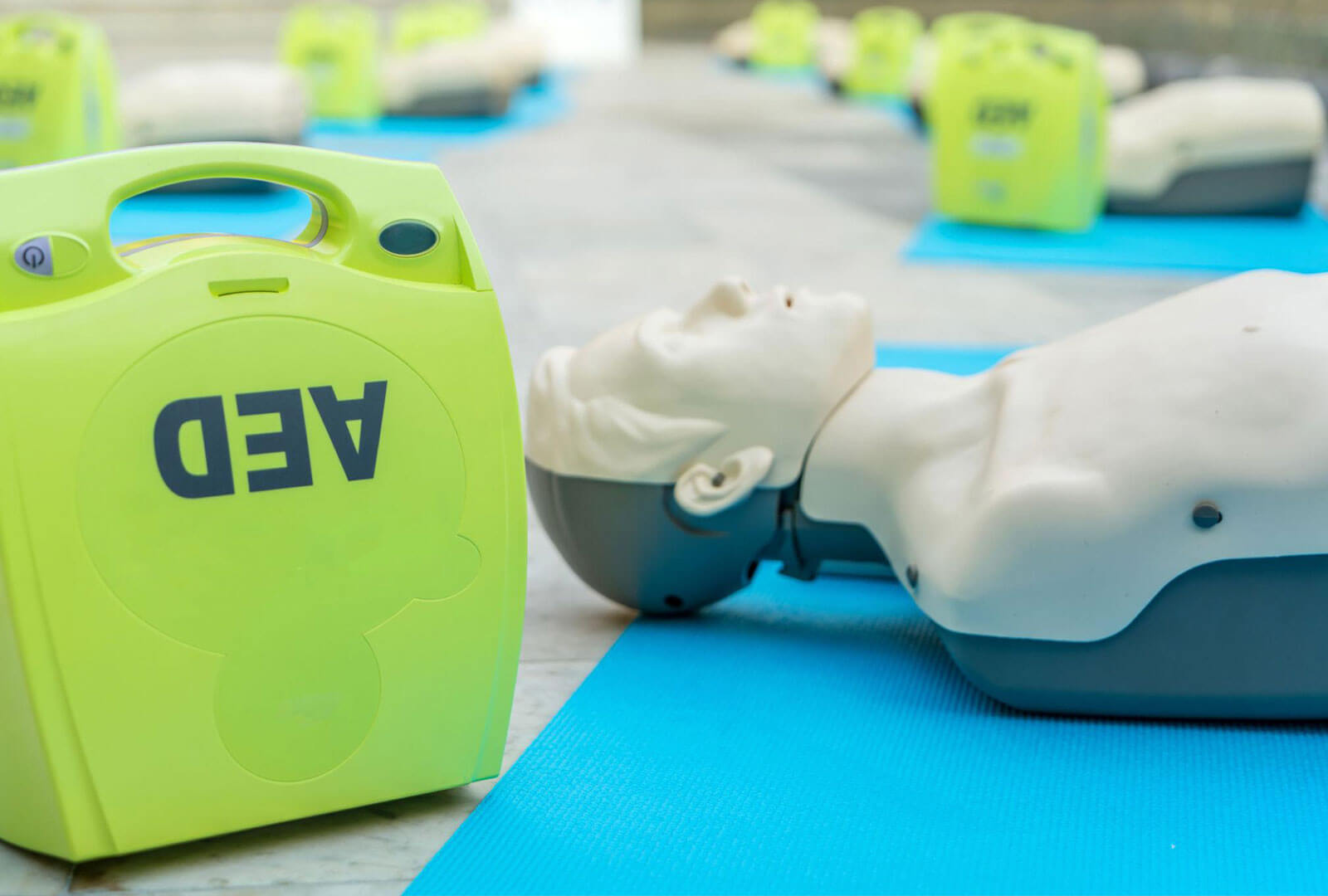
Be the person who knows what to do.
A practical, hands-on first aid and CPR course for everyone — divers and non-divers alike. Learn how to respond calmly and effectively in emergency situations, step by step.
What you need
Two reasons to take EFR
Your EFR certification
EFR is right for you if…
- You are planning to take the PADI Rescue Diver course
- You want to be able to help in a real emergency situation
- You work or spend time around water, boats, or remote locations
- You have never done a first aid or CPR course before
- You want to renew an expired first aid certification
Practical skills that work in real life — not just on paper.
The Emergency First Response course focuses on building confidence to act when it matters. You will learn how to recognize emergencies, prioritize your response, and provide immediate care until professional help arrives.
The training is practical, clear, and easy to follow. No medical background required. No intimidating jargon. Just real skills, practiced until they feel natural.
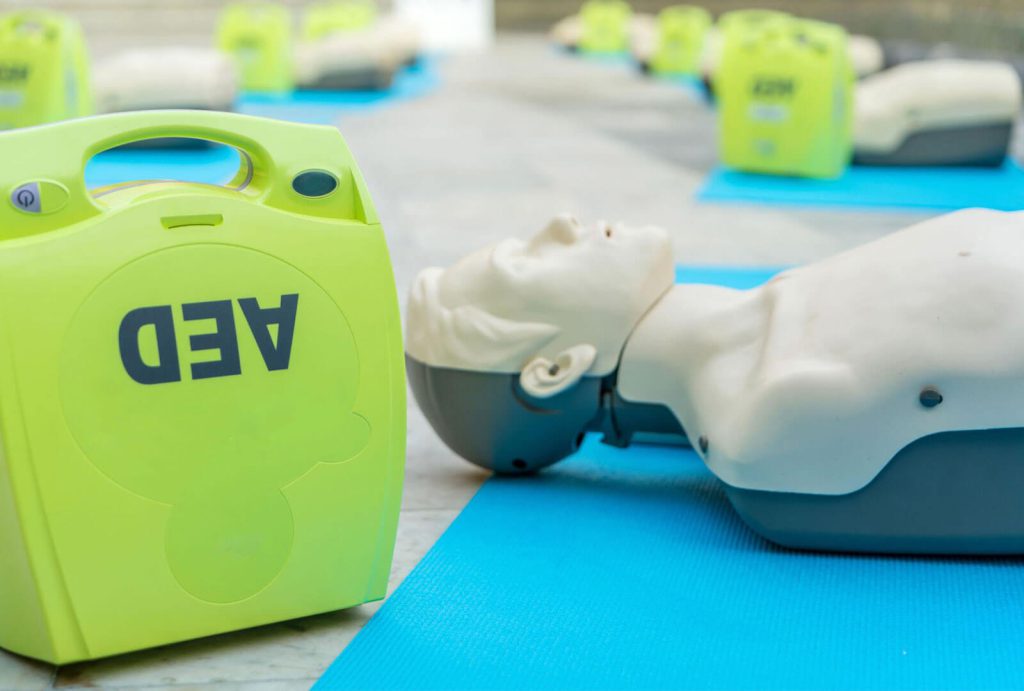
Mainly hands-on — because knowing is not the same as doing.
The course covers primary care (CPR) and secondary care (first aid). Both components are taught in a supportive environment where you practice each skill until you feel comfortable — not just until you’ve watched it once.
Scenario practice at the end ties everything together, helping you react more naturally in real situations.
How the course works
-
01
Course introduction and paperwork
~15 minA brief introduction covering the course structure and expectations. Required forms are completed and any questions are answered before training begins.
-
02
Theory — eLearning or instructor-led
~1–2 hoursYou will learn the key principles of emergency response — how to assess a situation, prioritize actions, and stay calm under pressure. This can be completed online in advance or reviewed together during the session.
-
03
Practical training
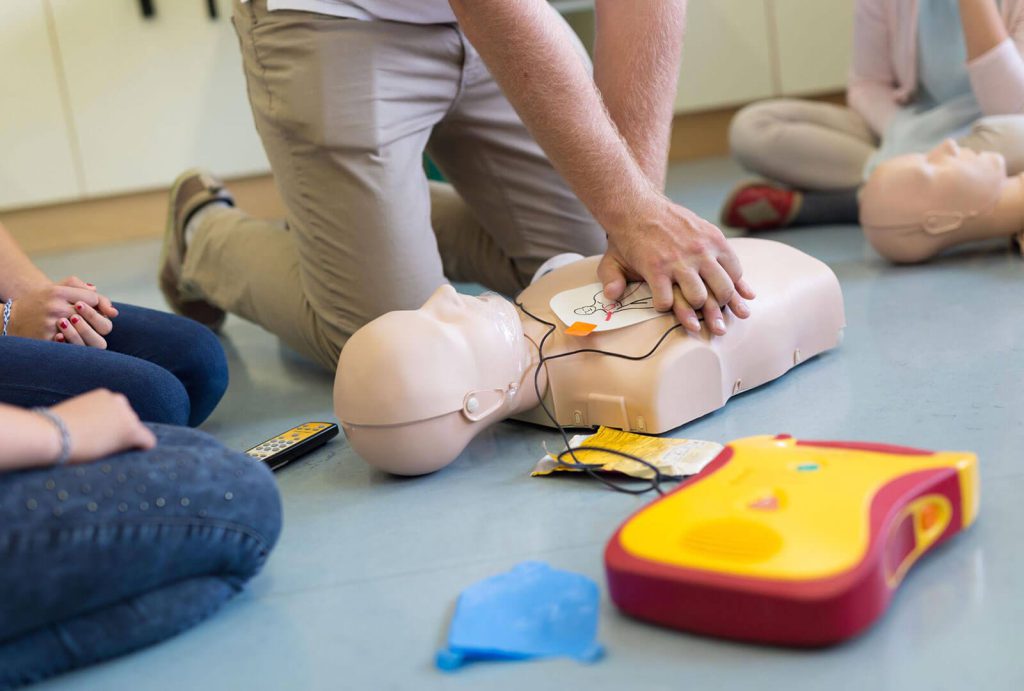
~3–4 hoursThe core of the course. You will practice CPR, AED use, managing breathing and circulation emergencies, and first aid for common injuries — cuts, burns, and fractures. All skills are practiced in a controlled, supportive environment with instructor guidance throughout.
-
04
Scenario practice
~1 hourYou apply your skills in simple, realistic scenarios that simulate real emergency situations. This is where confidence comes from — not from reading, but from doing it under pressure in a safe environment.
What you will gain
CPR and AED skills
The ability to perform CPR and use an AED — the two most critical skills in a cardiac emergency.
Calm under pressure
The course is designed to train your reaction, not just your memory. You’ll know what to do and you’ll do it calmly.
First aid for real injuries
Cuts, burns, fractures, breathing emergencies — practical skills for the situations you are most likely to encounter.
Skills for life, not just diving
Every skill you learn in EFR applies directly to real life — at home, at work, on a boat, or anywhere else.
No — this course is open to everyone. No diving certification is required and no previous first aid experience is needed. It is designed to be accessible to complete beginners.
The course typically takes one day to complete, including theory and practical sessions. The hands-on component takes the most time — around 3–4 hours — as skills are practiced until comfortable, not just demonstrated once.
Your EFR certification is valid for 24 months. It must be current (within 24 months) to enroll in the PADI Rescue Diver course.
Yes — current EFR Primary and Secondary Care training (within 24 months) is a prerequisite for the PADI Rescue Diver course. If you don’t have it yet, you can complete EFR alongside the Rescue Diver course with us.
Primary care covers life-threatening emergencies — CPR, managing airway, breathing, and circulation. Secondary care covers non-life-threatening situations — first aid for wounds, burns, fractures, and other injuries. Both are included in this course.